


The response I’ve received from readers of Destiny has been nothing short of astonishing. I never imagined the level of enthusiasm and heartfelt praise that would pour in. Comments like, “You made me miss a night of sleep—I couldn’t stop turning the pages!” and “I just had to read one more chapter before putting it down,” have been frequent and deeply rewarding. Hearing that the story has resonated with so many of you means the world to me. Please, continue sharing your thoughts—every comment will help fuel the stories still to come.
If you wish to really see what professional Sci-fi critics have to say about this novel, check out my website authorhacovant.com.
“Howard A. Covant marries clinical precision with bold, imaginative vision. Destiny is not only a compelling narrative—it’s a philosophical challenge to the way we view our future, identity, and obedience. A remarkable work by a mind well-trained in both science and storytelling.”
Dr. Lena Whitmore, Science Fiction Author and Neurologist
“Few authors can wield a scalpel and a pen with equal finesse. Covant’s Destiny is a grand, cerebral journey through humanity’s ethical crossroads, exploring faith, power, and survival in a meticulously constructed future. This is science fiction with a PhD.
Colonel Everett Sloane (Ret.), Military Futurist and Author of War in the Void
One thoughtful piece of feedback, from D.M. in Ontario, commented on the use of the term “Mankind” suggesting a more inclusive and contemporary alternative like “Humankind” or “Humanity.” Given today’s social consciousness, I fully understand and respect this concern. In fact, this was a point of debate during the development of the novel. There were long, and occasionally wine-fueled, conversations with fellow peers and my editors at Writer Cosmos around this very issue.
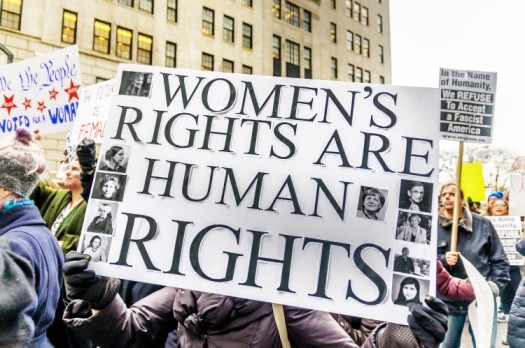
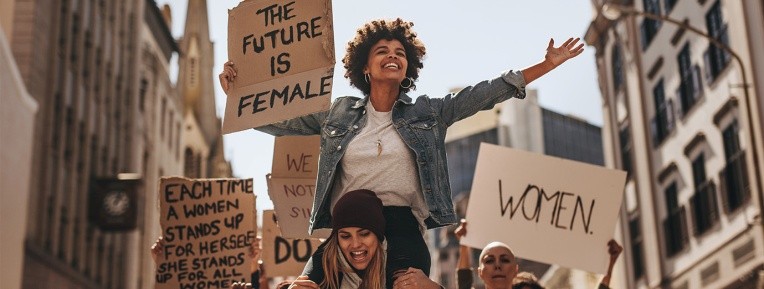
In the end, I chose “Mankind” very deliberately. It wasn’t meant to be a careless nod to outdated language—it was a clue. In this fictional future, a thousand years of authoritarian indoctrination has cemented male dominance as a central tenet of society. Even the Corporation—existing at the solar system’s edge and nominally independent—could not escape the Empire’s pervasive cultural influence. On the Empire’s core worlds, women live under severe restrictions—always covered, never alone in public, and certainly never considered equals.
Using “Mankind” was a way to subtly anchor the reader in that world—a world where inequality is so normalized, it’s even present in the language. That contrast was designed to make Martin’s recruitment and freedom into the Corporation’s society feel more powerful, and to give his dangerous journey toward truth and freedom the weight it deserves. That journey, and the risk it entails, is meant to echo the struggle to reclaim humanity in the face of systemic oppression; against religion, sexual identity or race.
Every journey begins with a single page. May this odyssey take you beyond the limits of imagination as I invite you to explore a future fate of ‘Humankind’.
If you’d like to reach out, feel free to send your comments to author.hacovant@gmail.com – I’ll do my best to respond! You can also connect with me on social media @HowardCovant.”
Dr. Howard A. Covant
